SITEL – MALAYSIA
CIRCULAR SYSTEMS | BORNEO | 2018
Regenerative design workshops in Malaysia sparked local action, community engagement, and circular strategies for lasting impact.

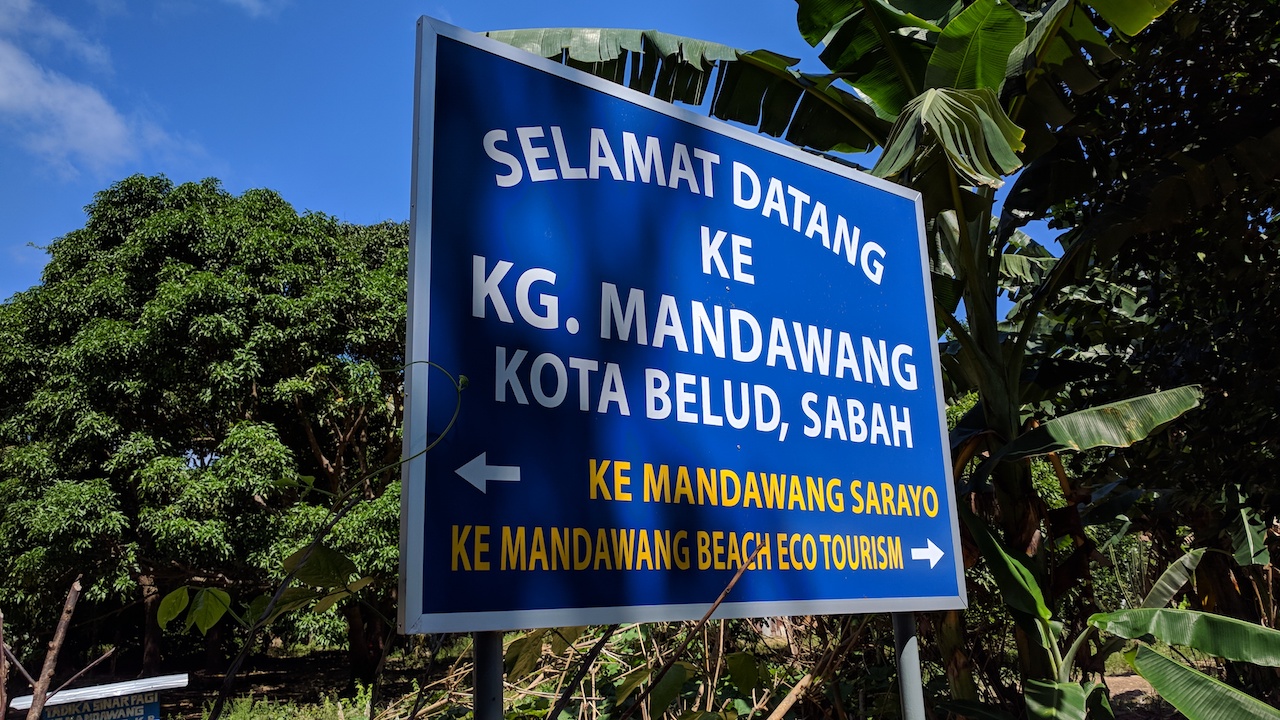
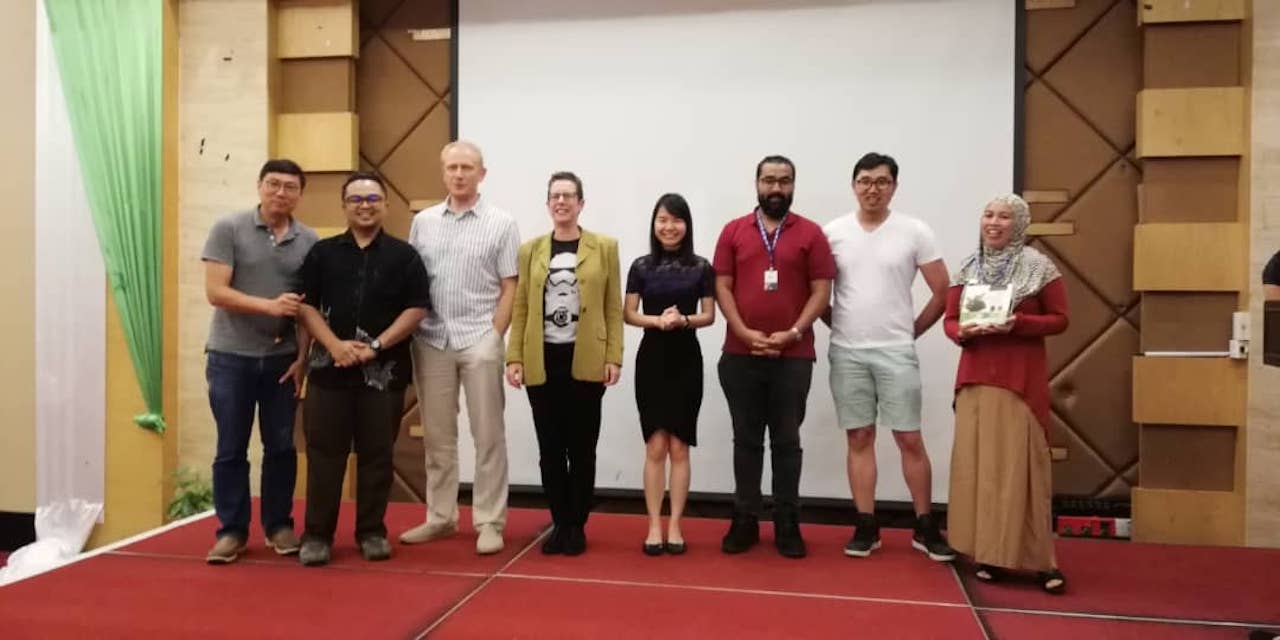
In June 2018, Green Lab’s founder, Andrew Gregson, was invited to lead a five-day regenerative design workshop in Kota Kinabalu, Sabah (Borneo), Malaysia.
Delivered in partnership with the University of Westminster and the University of Malaysia Sabah (UMS), the programme formed part of SITEL – Sustainable Innovation Through Experiential Learning.
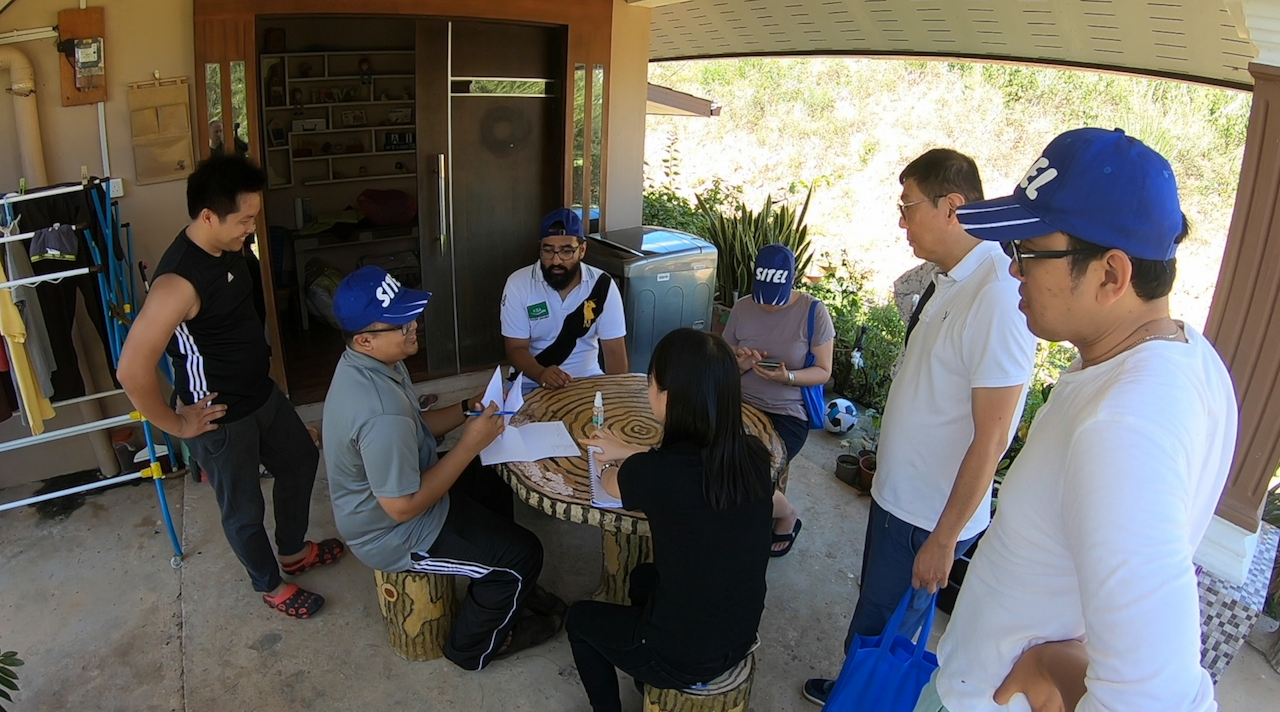
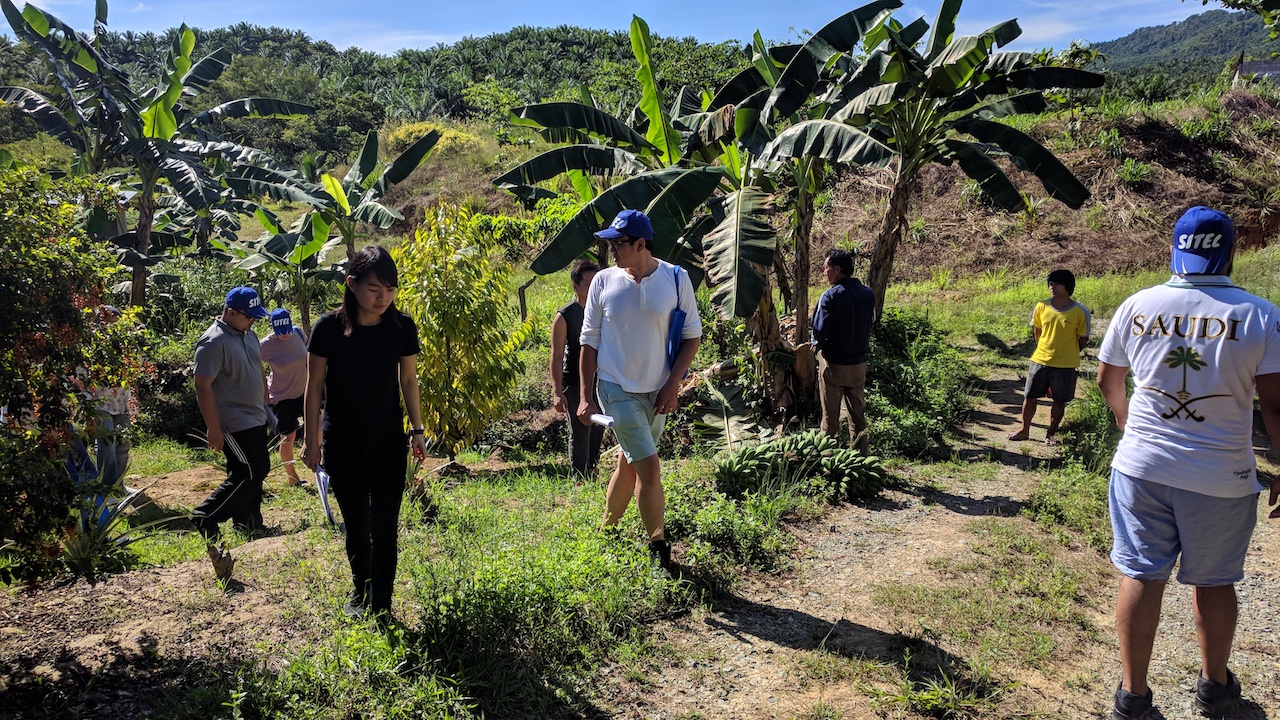
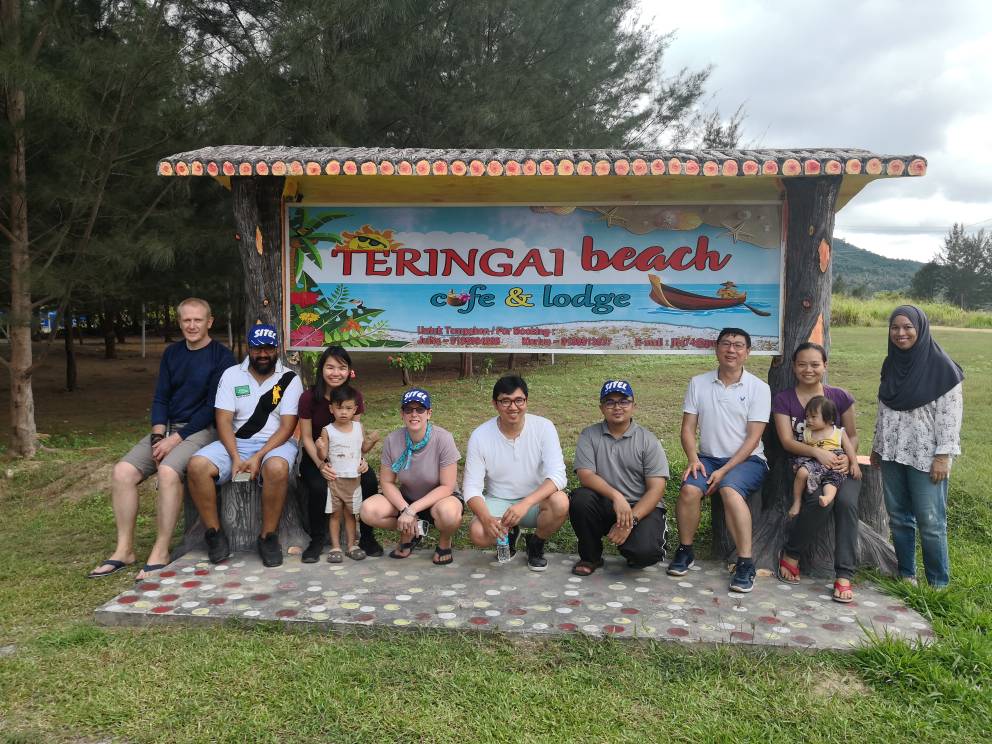
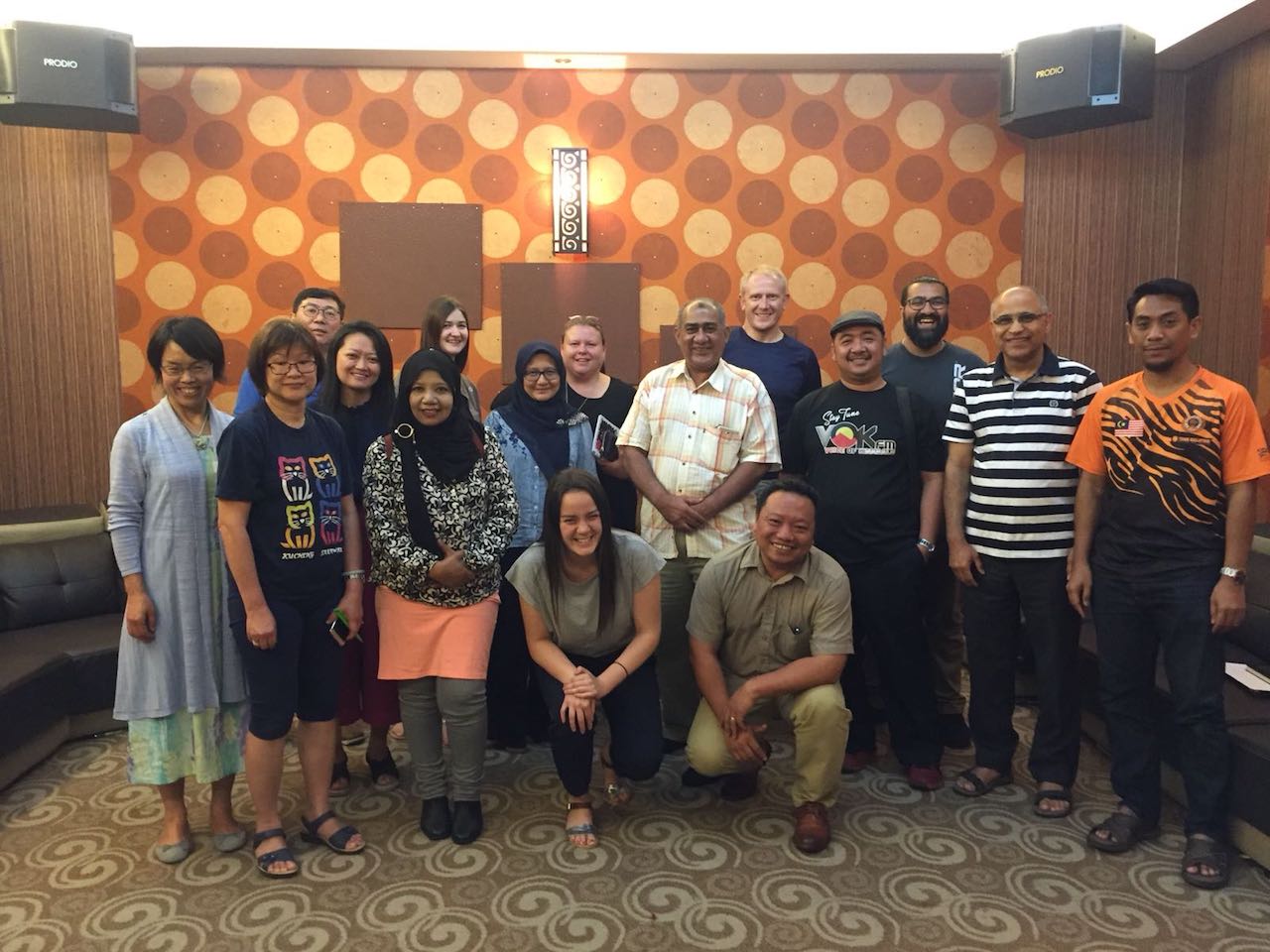
The workshop brought together architects, planners, educators, and sustainability professionals from across the region to explore how regenerative systems thinking and circular design could be integrated into local development contexts.
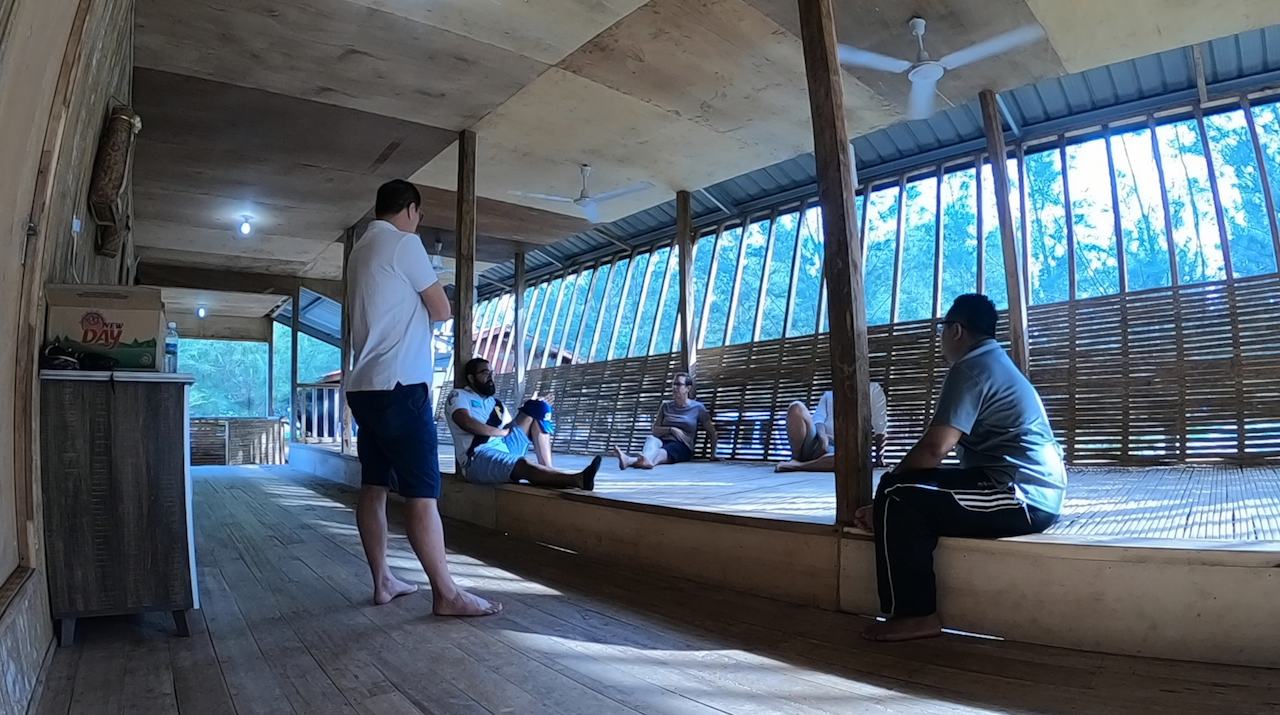
The programme focused on applying regenerative principles to tropical, decentralised environments, combining theory with hands-on experimentation. Participants engaged in material prototyping using local and bio-based resources, explored circular systems adapted to Southeast Asian contexts, and collaborated on community-centred sustainability planning. The goal was to empower participants with adaptable tools for sustainable development rooted in place and culture.
Participants explored how regenerative frameworks could be applied to tropical climates and decentralised infrastructure through:
- Material prototyping using local and bio-based resources
- Circular systems thinking tailored to Southeast Asian contexts
- Collaborative, cross-sector design activities
- Community-centred sustainability planning
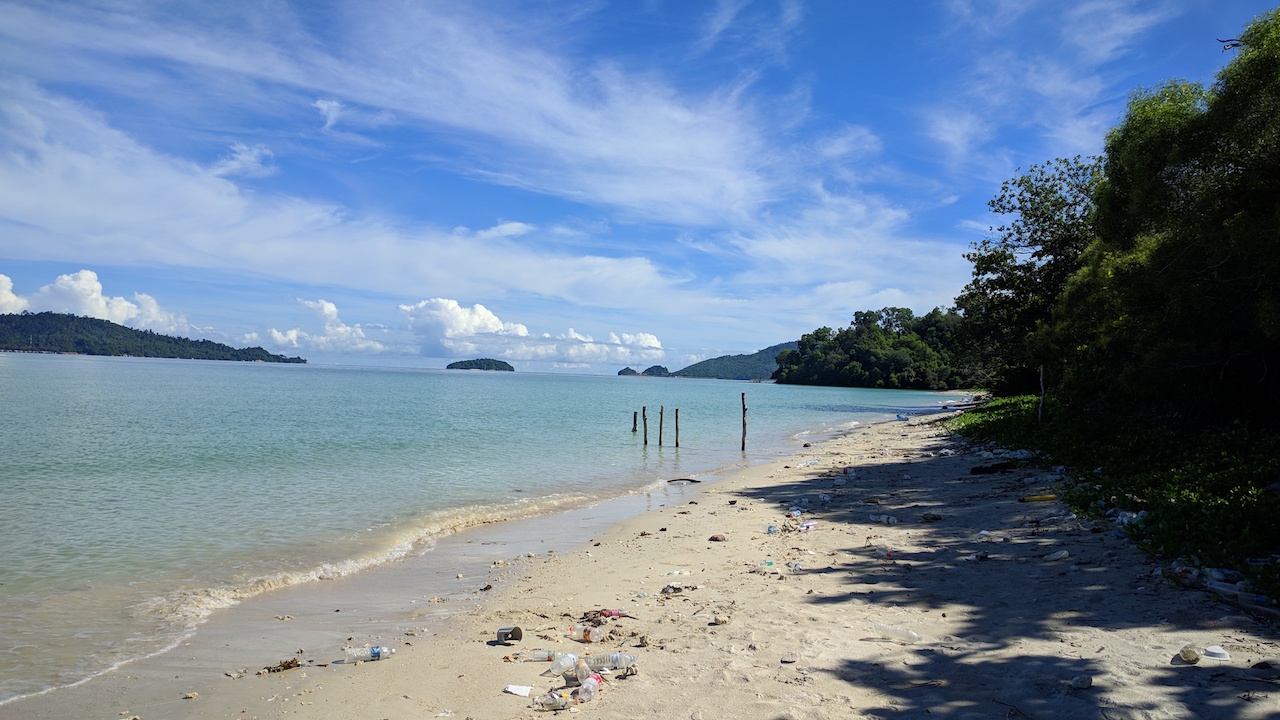
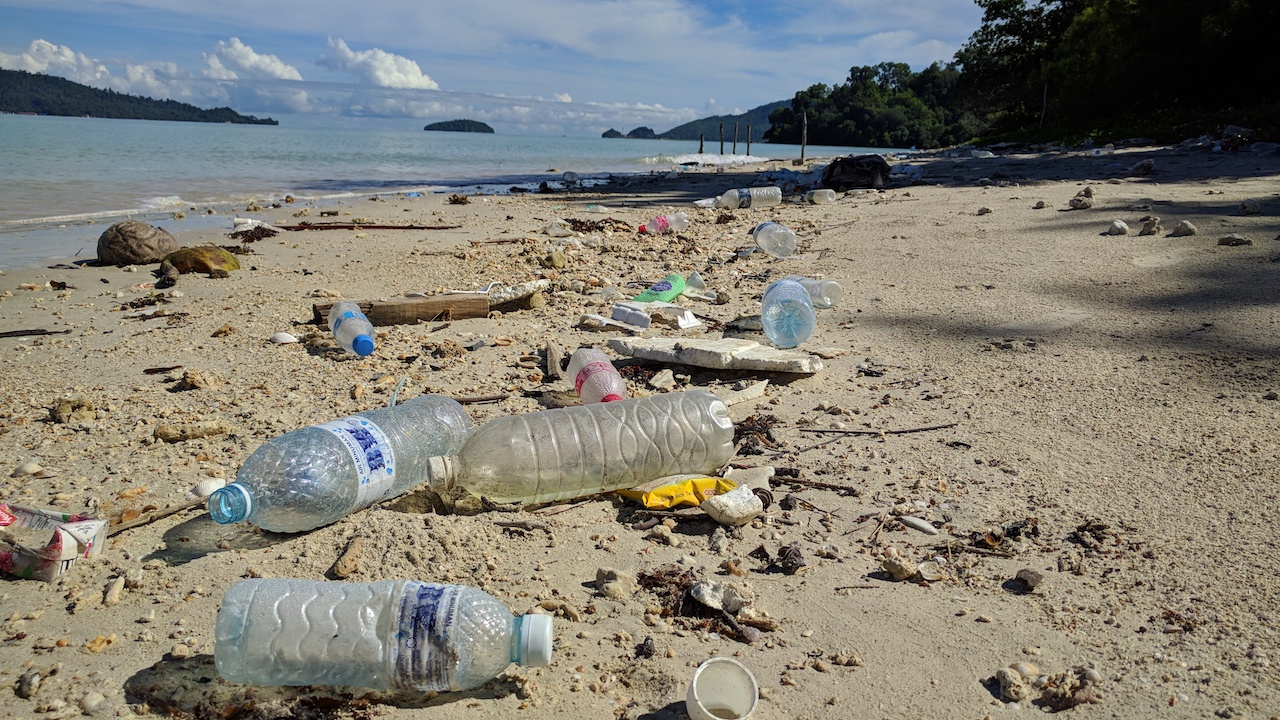
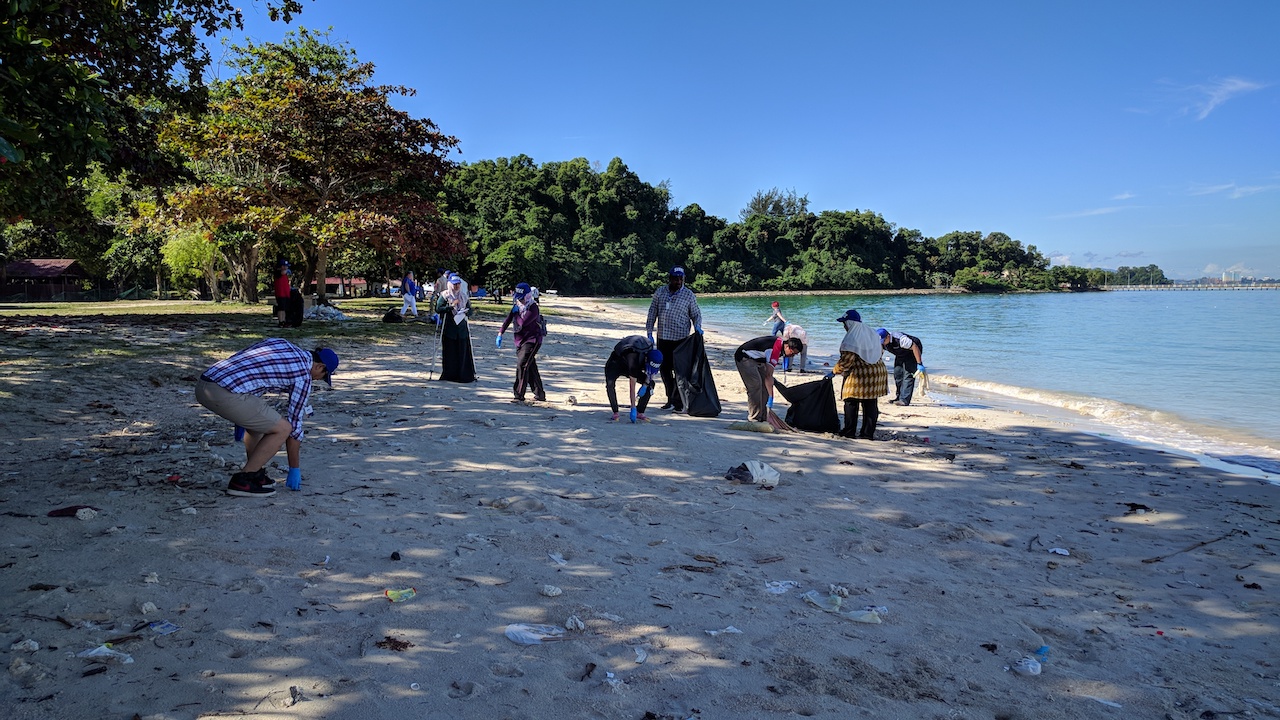
A key moment in the workshop was a community beach clean-up, which revealed the environmental toll of plastic waste along Sabah’s coastline. The experience shifted the tone of the programme and prompted immediate reflection on the root causes of environmental degradation. In response, Green Lab began to outline a longer-term programme of change for the region, which included:
- Plastic waste reduction strategies
- Educational outreach around circular materials
- Small-scale, regenerative infrastructure concepts
- Community co-design approaches for resilience and adaptation
The workshop concluded with a set of speculative design concepts and the emergence of a growing local network. For Green Lab, it represented a successful model for how immersive, design-led engagement could seed broader impact.
The experience reaffirmed the belief that scalable change begins with place-based collaboration — and that meaningful systems transformation must emerge through locally grounded, hands-on work.

Inspired?
Get in touch to find out how we can help your organisation design practical, regenerative solutions tailored to your place, people, and goals.